The fantasy world of Park Güell
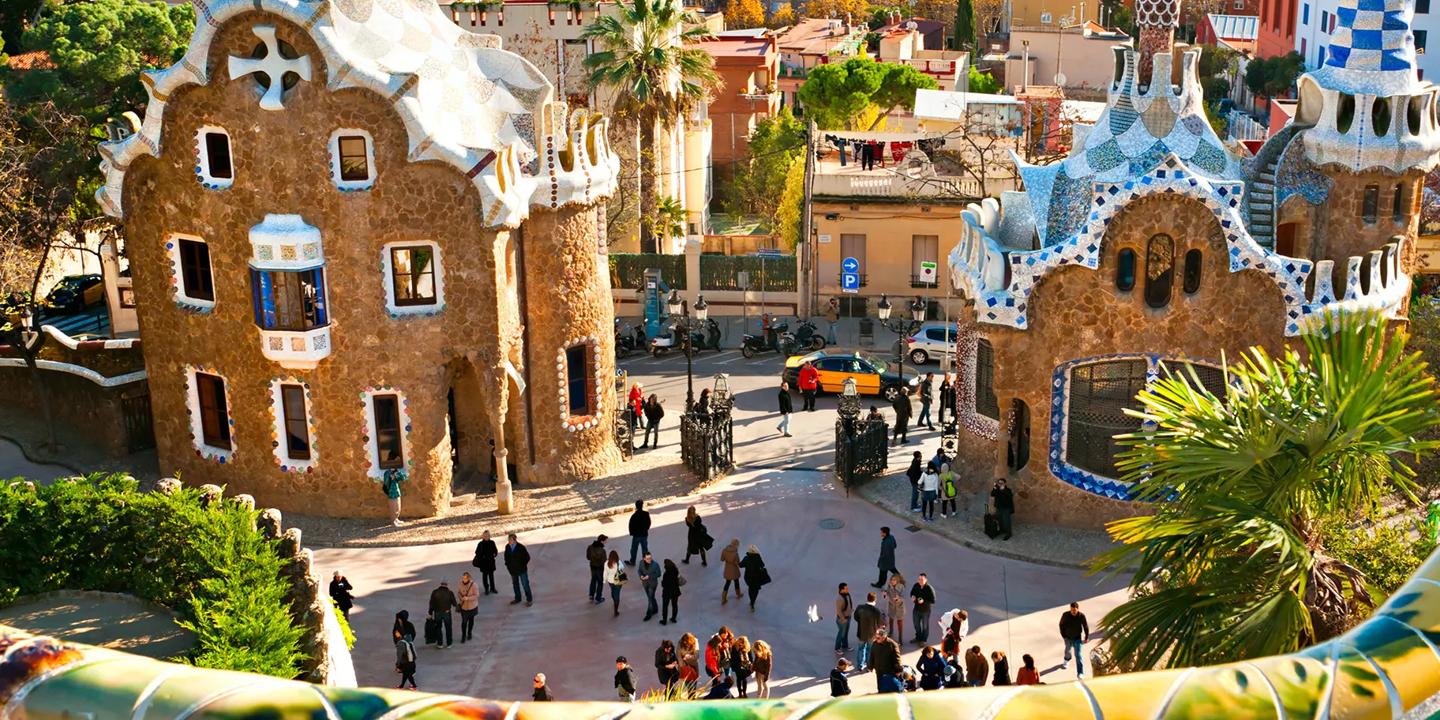
Antoni Gaudí is the man behind the bizarre yet ingenious Park Güell, the most famous park in Barcelona. Commissioned by businessman Eusebi Güell, the architect started building a dream village on the edge of the city that was supposed to resemble a fairy-tale forest. Even though the village was never completed, as only 2 of the 60 planned houses were built, Park Güell is still truly unique.
The mosaic snake bench
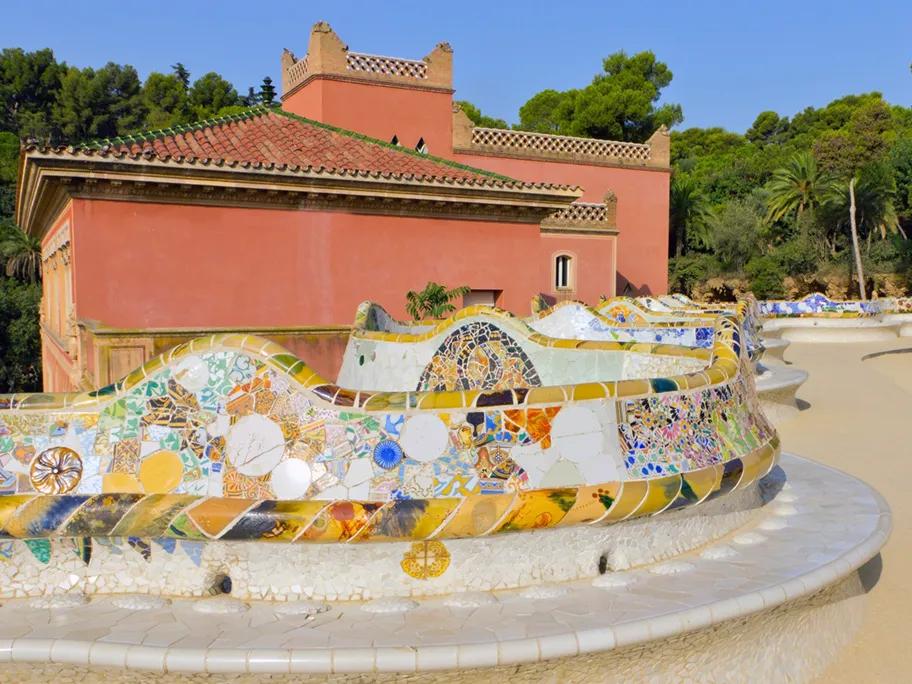
Antoni Gaudí actually lived in one of the 2 completed homes in the park from 1906 to 1926. That house is now called Casa Museu Gaudí and was turned into a museum that displays drawings and furniture. One of the highlights in Park Güell is the famous mosaic snake bench that wraps around the panoramic terrace; this is officially the longest bench in the world. The story goes that Gaudí was inspired by the story of Adam and Eve when he created this bench. Note the double stairs with a salamander and fountain on top.
Impressive panoramic view
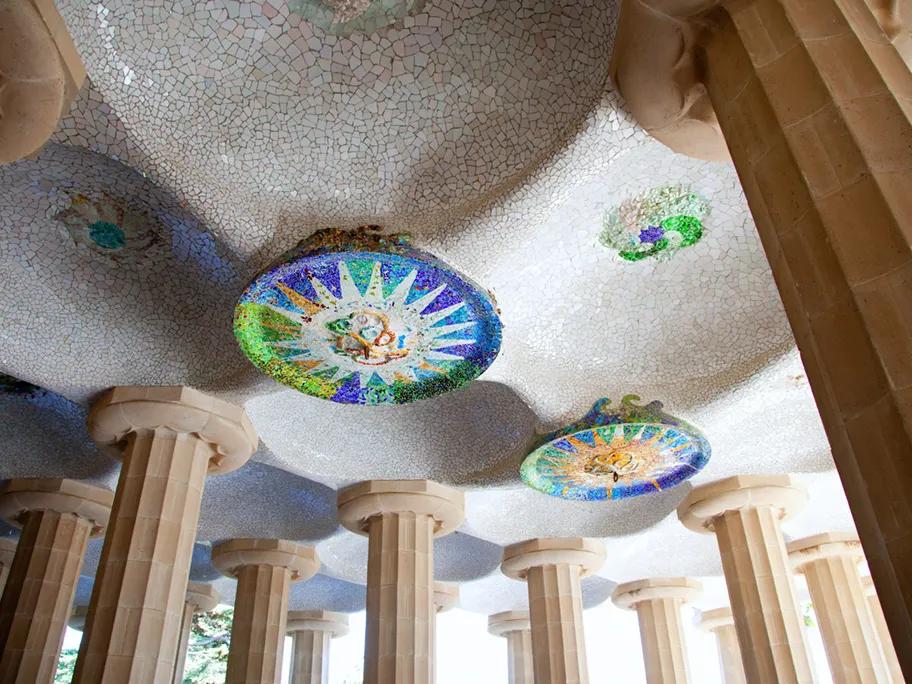
Another unique sight is the 'Hall with 100 columns': a hall with 100 columns – although a careful count reveals there are only 86 – that support an entire square and create a lovely pavilion full of shade to escape the Spanish summer heat. Observe the ceiling and admire the various indentations, decorated with religious, mythological and astrological symbols. The square above the hall is called the Gran Plaza Circular, which is where the world-famous benches decorated with brightly coloured ceramic tile pieces are located. Apart from all these sights, it must be noted that the magnificent view of Barcelona is at least as worthwhile. Tip: follow the walking trails to the top of the mountain for even better views of the city.
Related articles
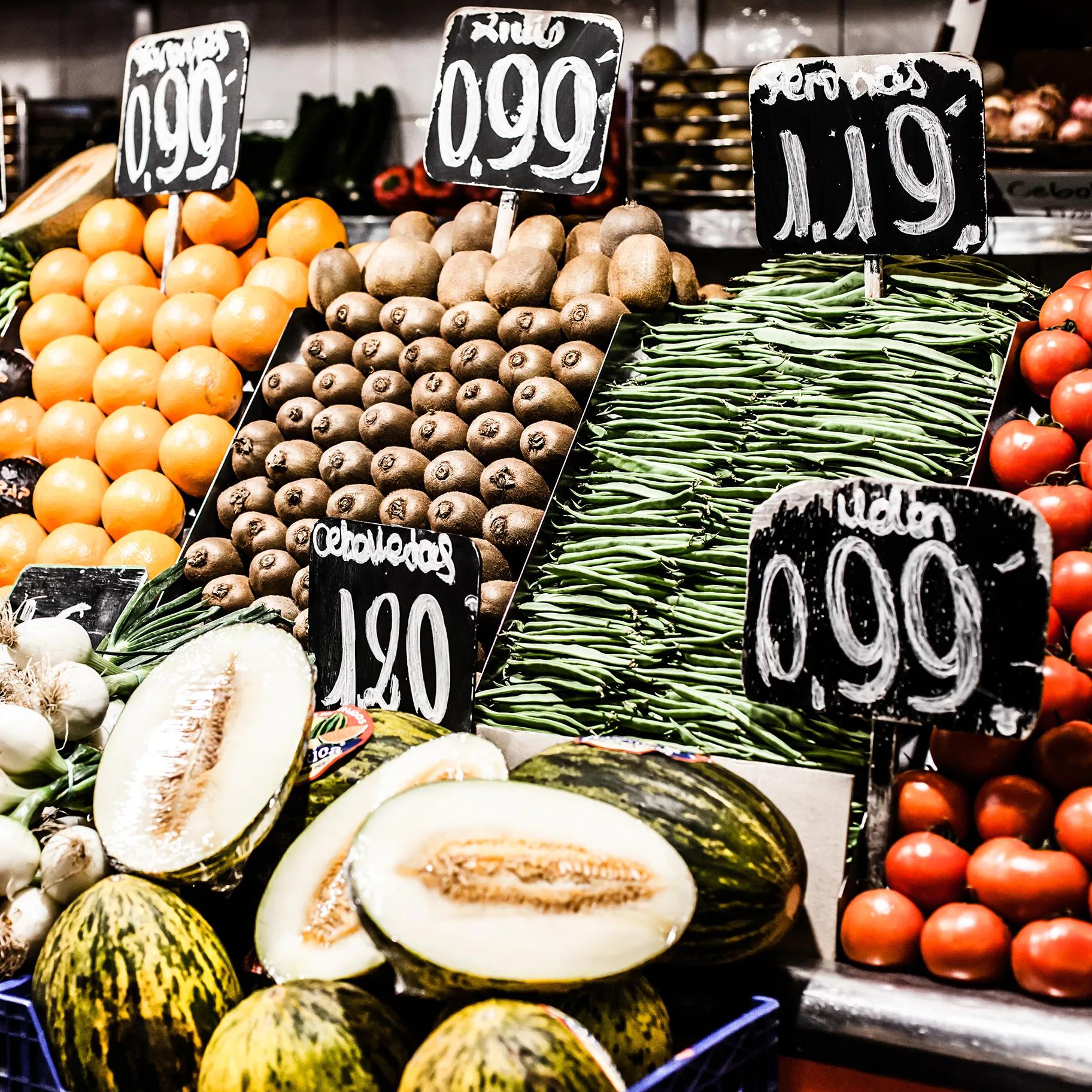
Culinary
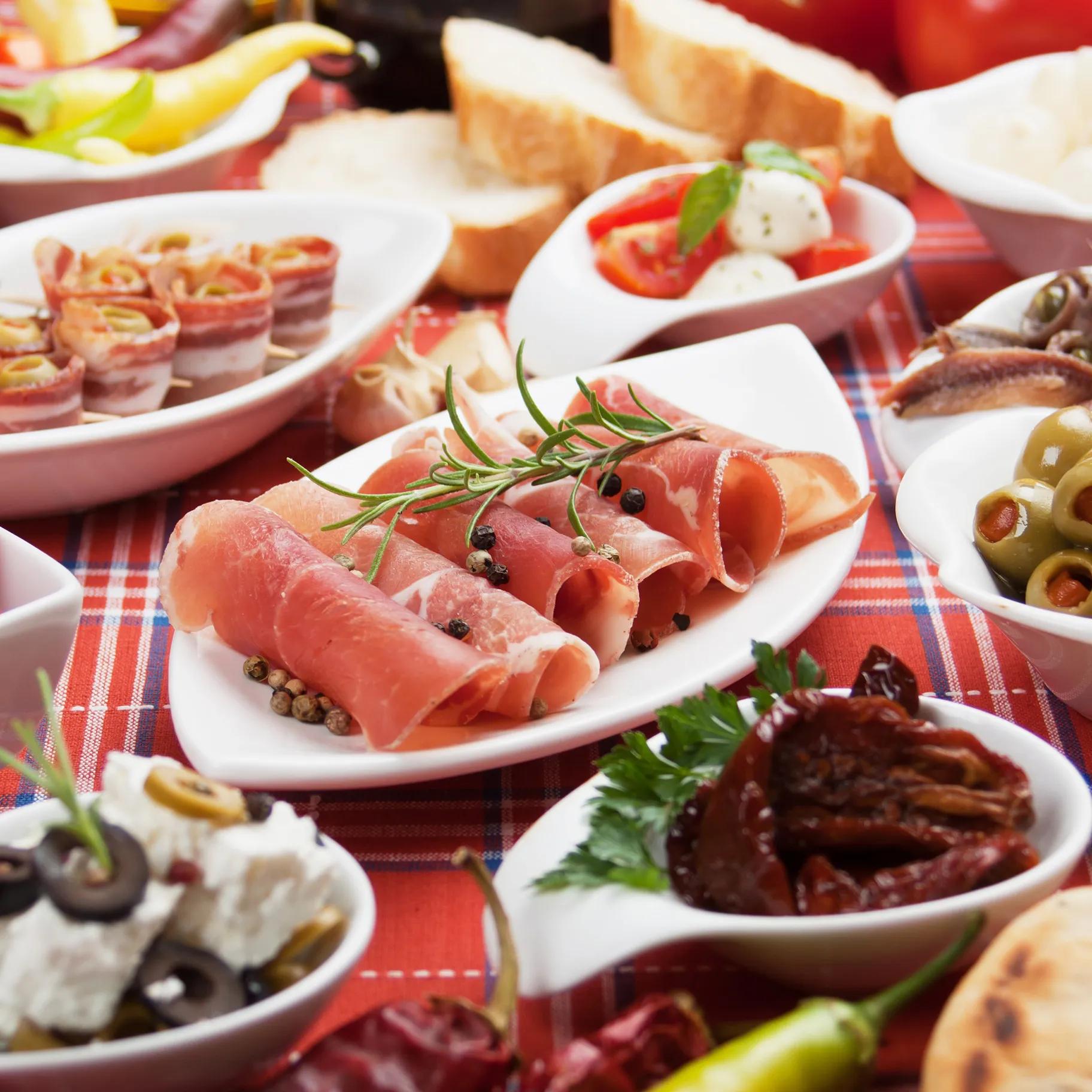
To discover the soul of the Barcelonans, it’s best to eat one’s way through Barcelona. From farmhouse cheese to molecular gastronomy, the versatile flavours of Catalonian cuisine tell the turbulent story of the region. The Visigoths, the Moors and the French have all occupied this fertile area on the Mediterranean Sea over the past centuries, and they have all left their mark as the tastes in Barcelona’s markets make clear.
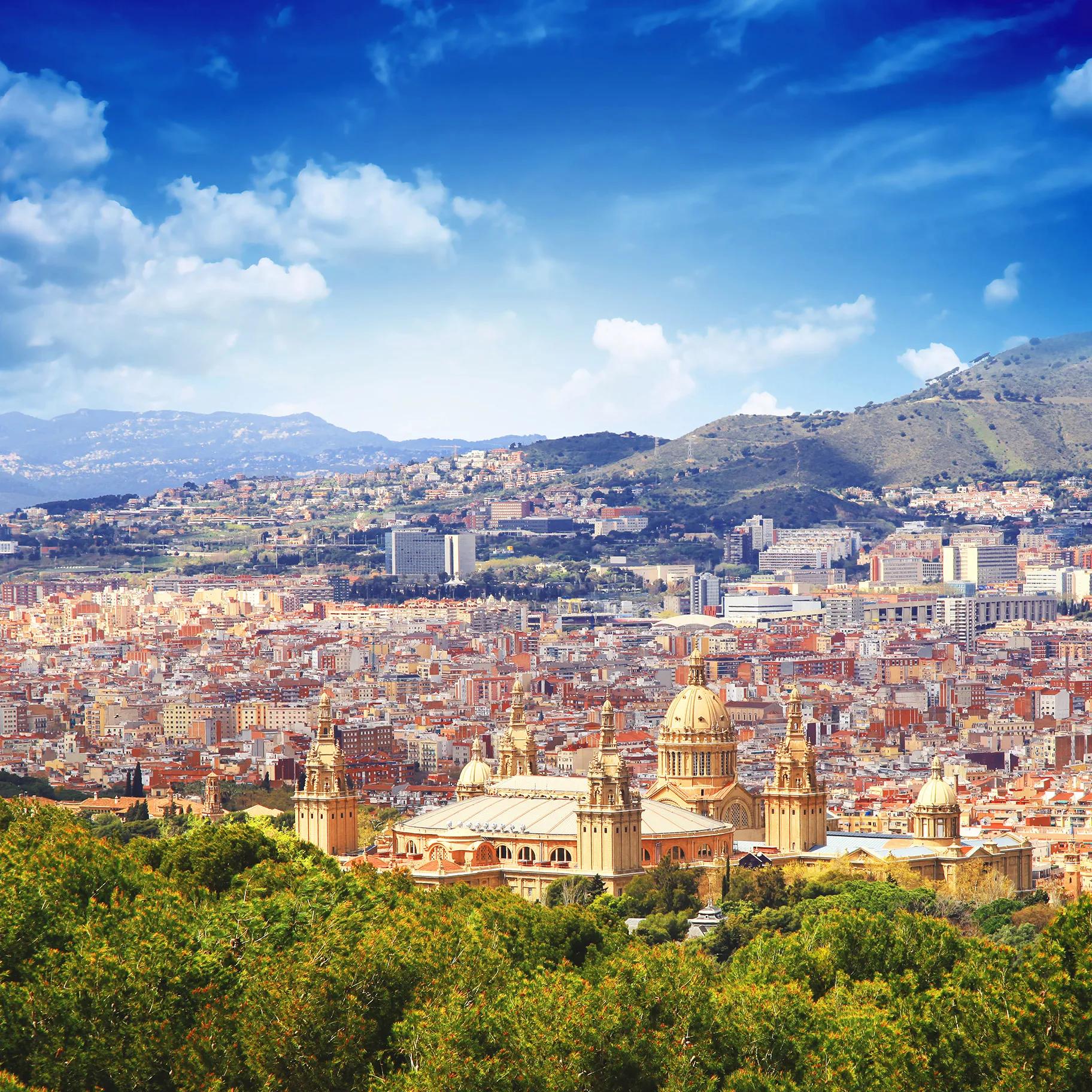
Arts & Culture
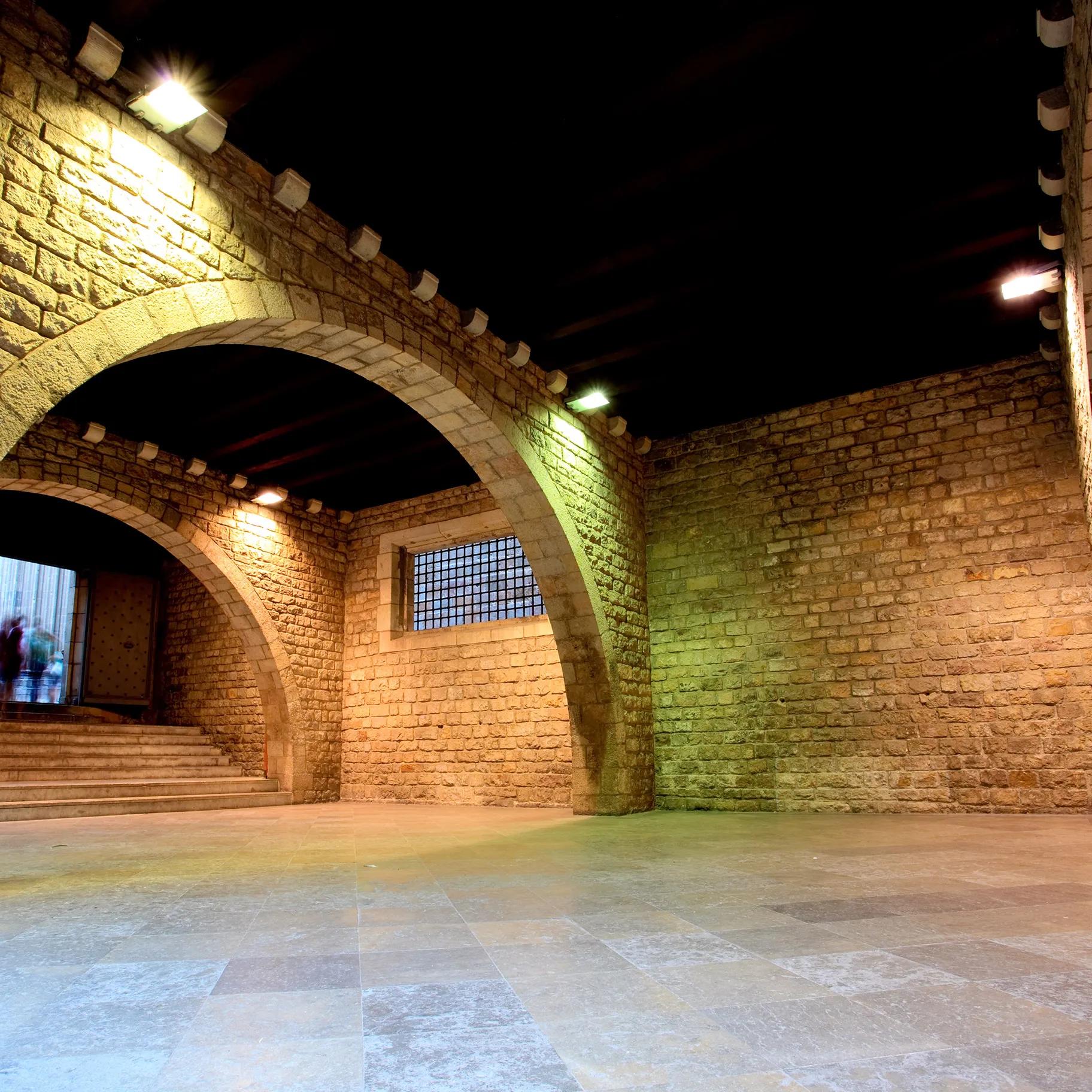
The neighbourhoods of Hostafrancs and Sants, which both offer a wide variety of shops, restaurants and entertainment venues, form the heart of the Sants-Montjuïc district. This district covers the south-western section of Barcelona. The narrow streets at the foot of Montjuïc hill lend Hostafrancs and Sants a homely, village character. But they also have a bustling atmosphere with one of the longest shopping streets in Europe: Carrer de Sants.

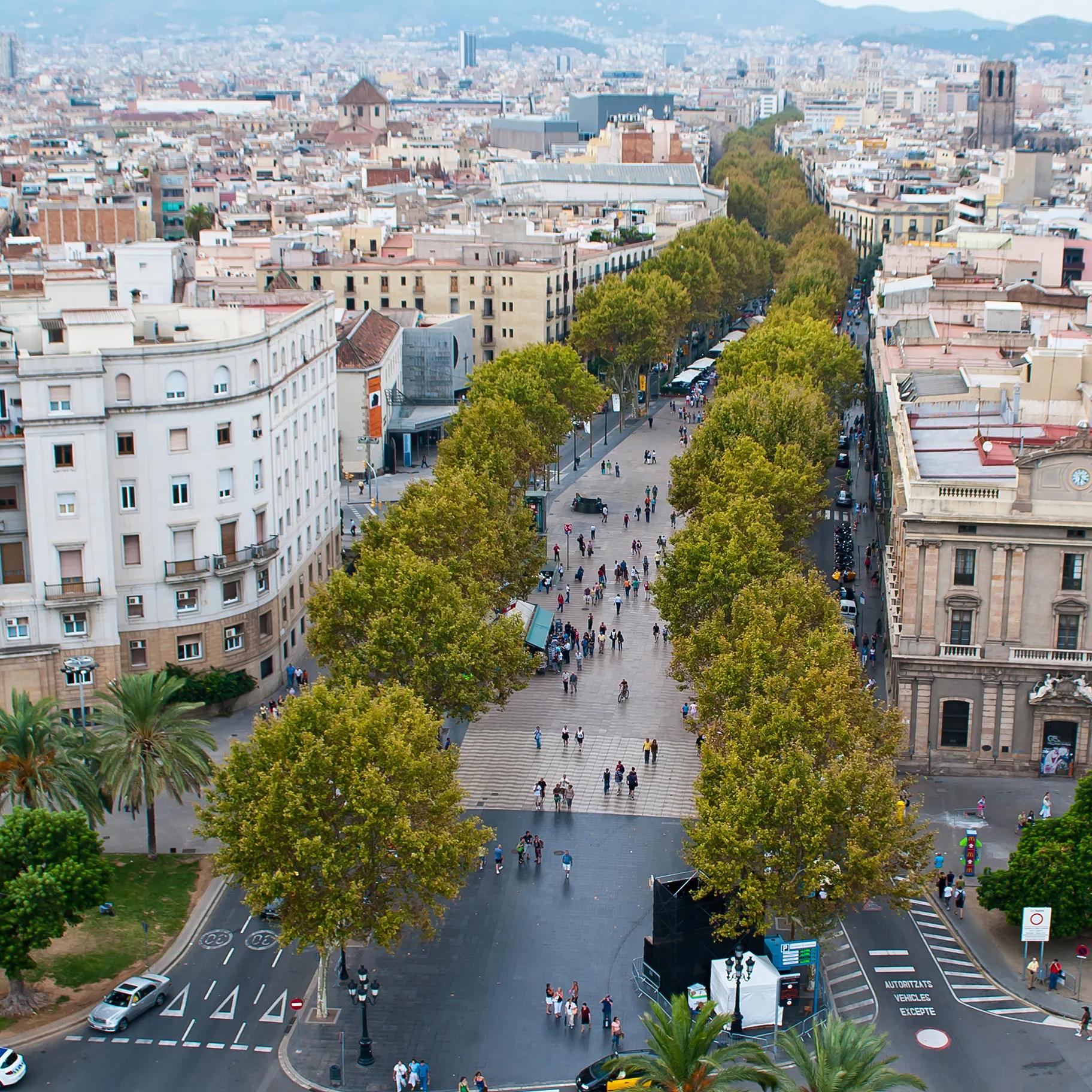
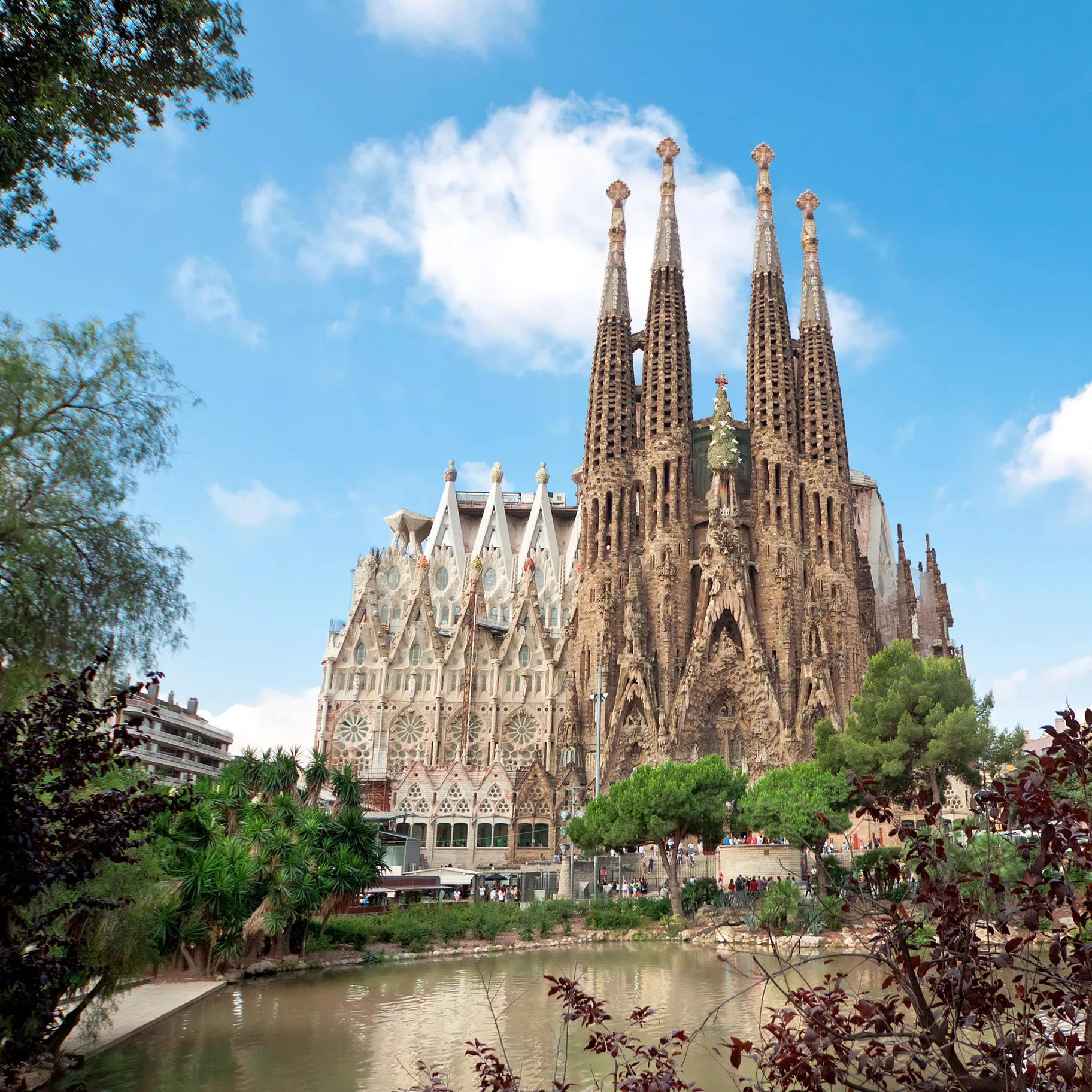
Discover other destinations in Europe
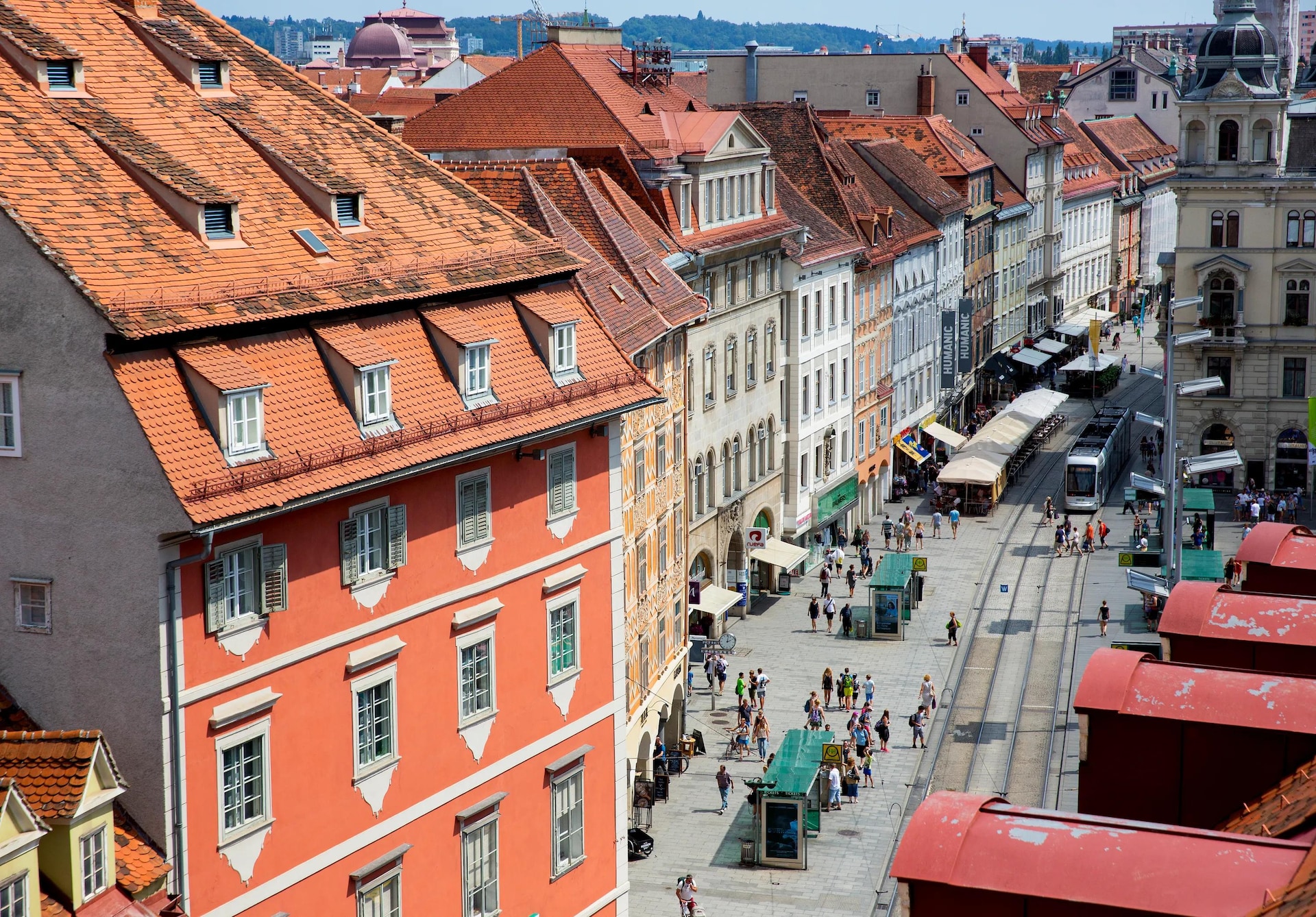
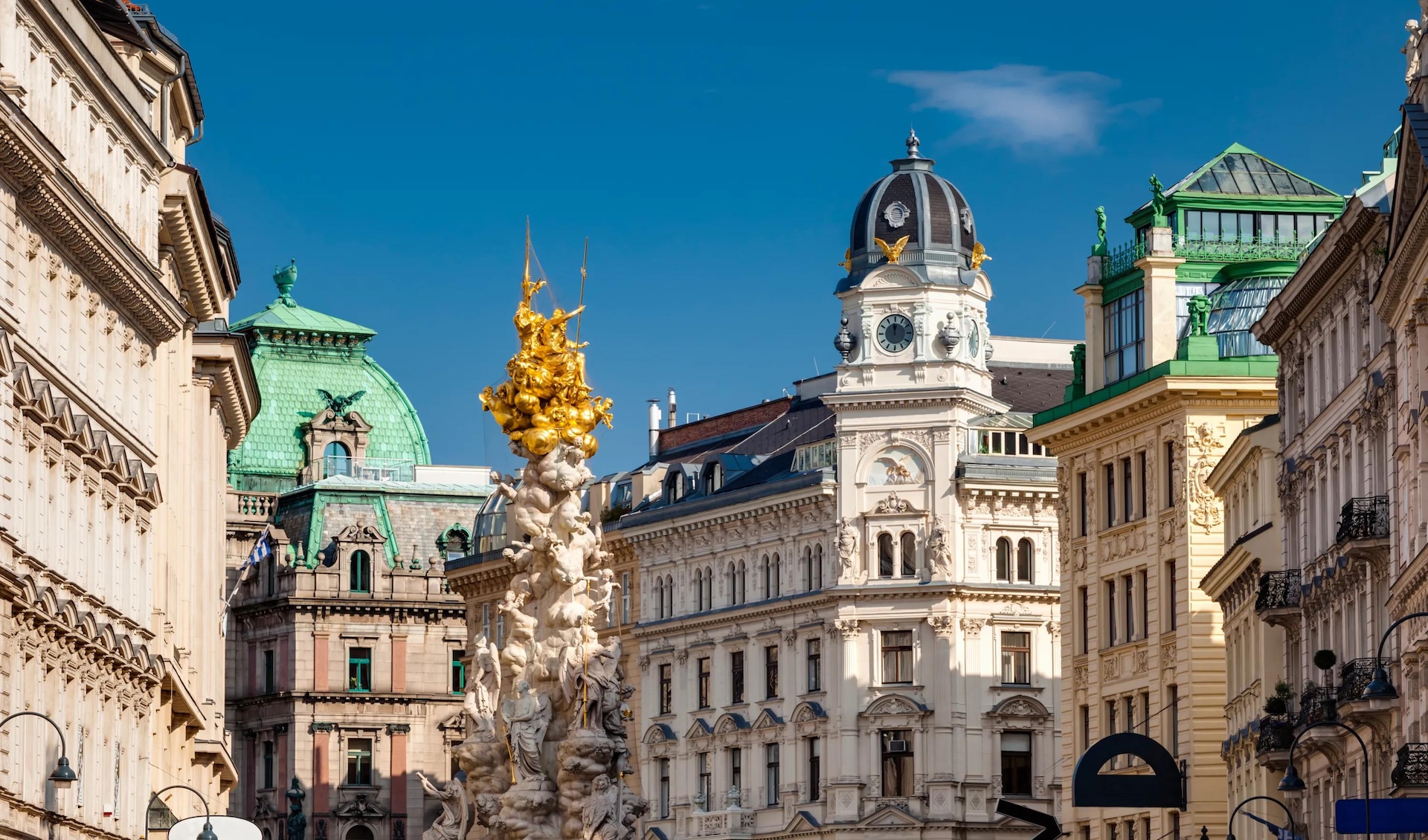

*The displayed prices are for one adult. All amounts are in USD. Taxes and surcharges are included. No booking fee is applicable, but a payment surcharge may apply. Prices shown may vary depending on fare availability.
The weather forecast information is provided by World Weather Online. Air France-KLM is not responsible for the reliability of this data.